Producing in Portugal: 7 Things Every Fashion Brand Should Know Before Starting
Luxury and streetwear brands like Balenciaga, Acne Studios, Represent, and Cole Buxton have all quietly moved their production to a small but mighty hub in Northern Portugal.
From the outside, it looks easy: a few emails, a visit, and you’re “in.” But on the ground, Portuguese manufacturing is an ecosystem built on craft, trust, and tradition—and unless you understand how it works, it can eat your brand alive.
At Labwear, we’ve visited over 100 factories and managed production for 300+ brands across Portugal. Here’s the no-fluff playbook we wish we’d had before starting—covering factories, culture, sampling, MOQs, pricing, and sustainability.
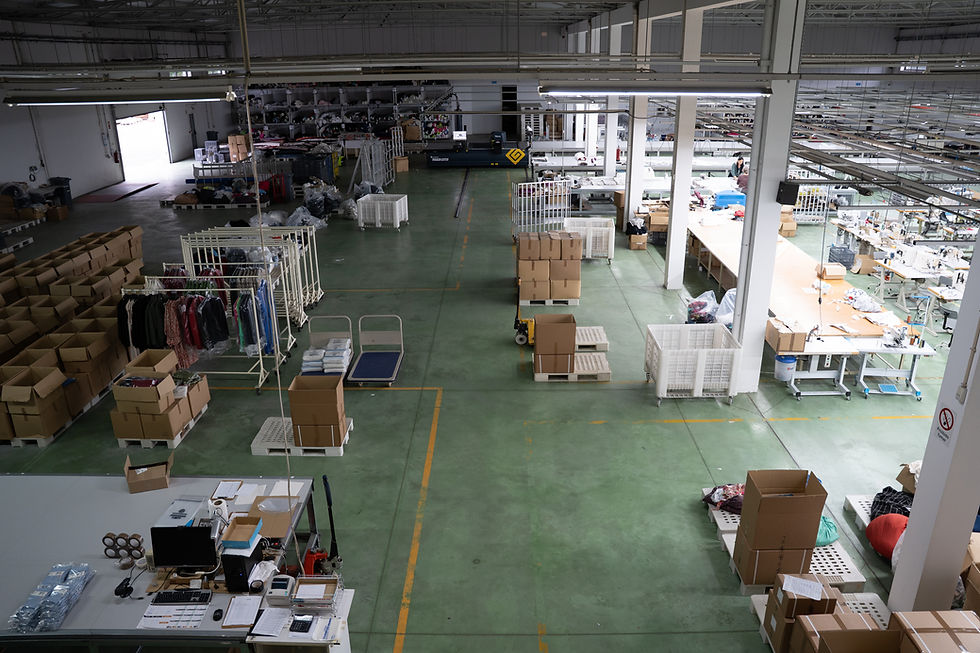
1. The Factory Ecosystem
Portugal’s strength lies in specialisation, not scale.
You won’t find one mega-factory doing everything. Instead, there’s a tight network of fabric mills, dye and print houses, and CMT factories (Cut, Make, Trim) clustered around Braga, Barcelos, and Guimarães.
Each handles a single part of the process—and they’re incredibly good at it. That’s why even global giants rely on local agencies or on-site teams to coordinate suppliers and maintain quality.
If you’re new, understand this: building relationships across this network is what separates smooth productions from disasters. Once you’re in, the baseline quality is higher than almost anywhere else in Europe.
2. What Portugal Does Best
Play to Portugal’s superpowers: premium cotton and garment dyeing.
The region produces world-class jersey, fleece, and French terry, perfect for heavyweight tees, hoodies, and sweats. Dye houses here are masters at achieving those washed-out, lived-in tones luxury brands love—often in small batches that keep MOQs flexible.
Avoid pushing for things Portugal isn’t built for: technical outerwear, synthetics, or cotton-poly blends. Stick to natural fibers and you’ll get unmatched results.
Bonus: the Felgueiras region is a hidden gem for leather and suede footwear, trusted by heritage labels and indie brands alike.

3. Culture & Communication
Two words define Portuguese production: trust and timing.
Communication: English works fine for business, but relationships still matter more than speed. Don’t mistake slow replies for disinterest—Portuguese suppliers value long-term trust over instant responses. And yes, most factories are camera-shy; privacy and craftsmanship come first.
Timing: August is a full-month shutdown. Add a handful of Catholic holidays in spring, and your 12-week timeline can easily become 16. Plan using actual working days, not calendar weeks.
Remember, you’re competing for capacity with Balenciaga, Inditex, and the rest—so book early.
4. Sampling
Factories here take development seriously—and charge accordingly.
Sampling isn’t a side hustle; it’s the foundation for flawless production. Teams will spend hours perfecting fit and finish, often working like an R&D lab for your collection.
Because of that, they’ll vet you before committing. Prove you’re serious with clear tech packs, confirmed budgets, and production intent. The upfront time pays off—Portuguese samples almost always translate to zero-surprise bulk runs.

5. Minimum Order Quantities (MOQs)
Portugal sits in the sweet spot between boutique and mass production.
Most factories start around 150–300 pieces per style—a dream compared to Asia’s 500+. Build a reliable relationship, and those numbers can drop even further.
Some top-tier factories offer ultra-low MOQs if you commit to a yearly spend (think €100 k+). These are the kind of partners you won’t find through Google—which is exactly why we integrated them directly into Labwear OS.
6. Pricing
Portugal isn’t cheap—and it shouldn’t be.
You’re paying for craftsmanship, fair wages, and EU labor standards. As a guide, expect:
Premium T-shirt → ≈ €15
Heavyweight Hoodie → ≈ €40
Volume discounts → always negotiable
You’re not chasing the lowest cost—you’re buying reliability, ethical labor, and consistency. That’s what gives “Made in Portugal” its weight on a label.
7. Sustainability That Actually Means Something
Portuguese manufacturing operates under strict EU environmental laws—fair wages, safety, chemical use, and wastewater management are non-negotiable.
There’s even a visible impact: dye houses here can’t produce ultra-deep blacks, since the chemicals needed are banned. Instead, you get safer, cleaner color processes that protect workers and ecosystems.
So when consumers see Made in Portugal, they’re not just seeing a tag—they’re seeing proof of ethical production.

Final Thoughts
Producing in Portugal isn’t about finding a supplier—it’s about joining a network of craftsmen who care deeply about what they make.
It takes patience, communication, and precision—but once you’re in, the results are unmatched.
At Labwear, we built the systems we wish we had when we started—integrating factory access, WIP tracking, and QC modules into one platform: Labwear OS.
If you’re serious about building a quality-first brand, Portugal is where you start.


Comments